There is no better place to discover Picasso in the south of France than the French Riviera, where he found his bearings and created a large part of his body of work. Ranked among the greatest artists of the 20th century, he was first and foremost a child of the Mediterranean, his source of inspiration, which, incidentally, will host numerous events in 2023 commemorating the 50th anniversary of his death. He began his stay on the Côte d’Azur in Antibes, at the Château Grimaldi, which today houses the museum bearing his name, before ending his journey in Mougins, where he put down his brush for good. Let’s follow in Pablo Picasso’s footsteps through this magnificent region of southern France.
His Love for the South
Born in Málaga, Spain, in 1881, Pablo Picasso traveled back and forth between Spain and France many times throughout his artistic career; it was there that he made the most significant encounters of his life and had his most memorable experiences, as reflected in the diversity of his works over the years. But his love for the French Riviera began in 1946, after the war, when he found refuge there following the dark years of the Occupation. This is evident in his paintings and other works (he was also a draftsman, sculptor, writer, printmaker, and even a ceramicist), through which he often expressed a zest for life. It is clear that the Riviera had a positive impact on his career and his entire life, which is why he never left the area until his death in 1973, leaving his mark all over the south of France.
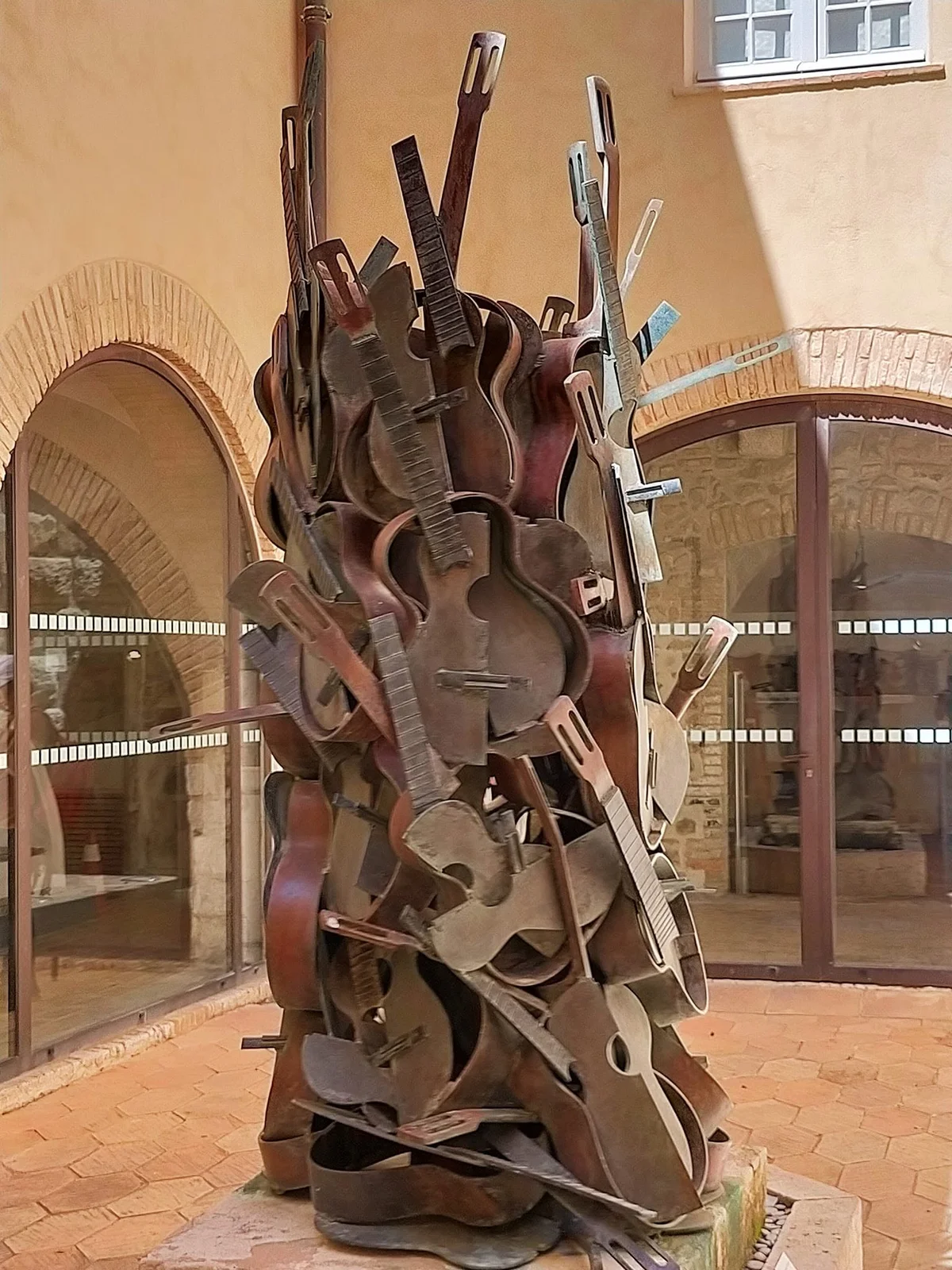
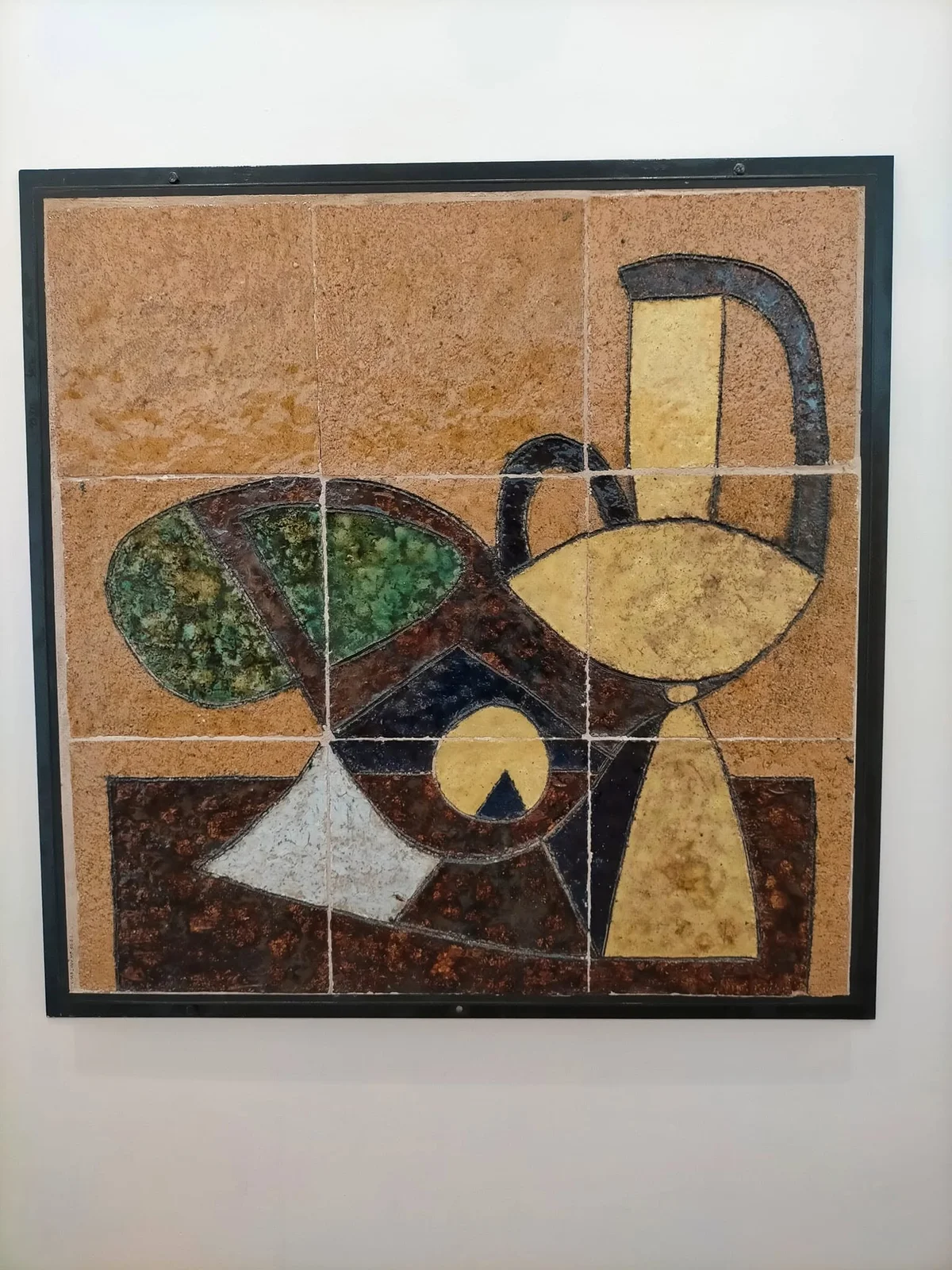
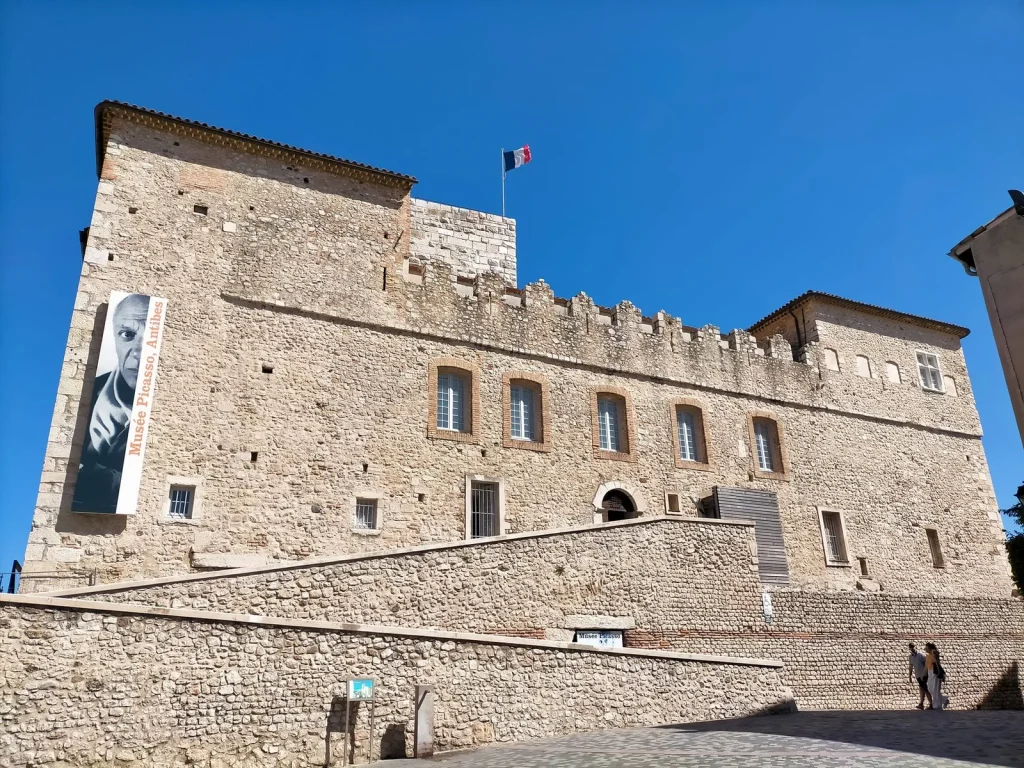
The world’s first museum dedicated to Picasso in Antibes
When he decided to settle in Antibes with his partner at the time, Françoise Gilot, in Golfe-Juan, he wanted to live in the Château Grimaldi, which was owned by the city at the time. Although he did not get what he wanted, he was still able to use part of the château as a studio from September to November 1946. There, he created numerous drawings and paintings, including the famous Les Clés d’Antibes, painted on a section of wall. On December 27, 1966, the château officially became the Picasso Museum, where the artist deposited 23 paintings and 44 drawings. Today, it is a must-see destination for art lovers, tracing the postwar turning point in the artist’s career. You can also see works by other artists such as Nicolas de Staël and Germaine Richier, notably her famous collection of sculptures displayed on the terrace. In fact, French Riviera Tours invites you to discover this charming town and follow Picasso’s south of France trail through its various tours, where you’ll be accompanied by our driver-guides on a private excursion.
Practical information – Musée Picasso
- Address: Place Mariéjol, Château Grimaldi, 06600 Antibes
- Opening hours: open every day except Mondays, January 1, May 1, November 1 and December 25; from mid-September to mid-June, 10 am–1 pm and 2 pm–6 pm. In summer, the museum opens from 10 am to 6 pm (mid-June to mid-September).
- Visit duration: about one hour
Picasso Discovers His Talent as a Potter in Vallauris
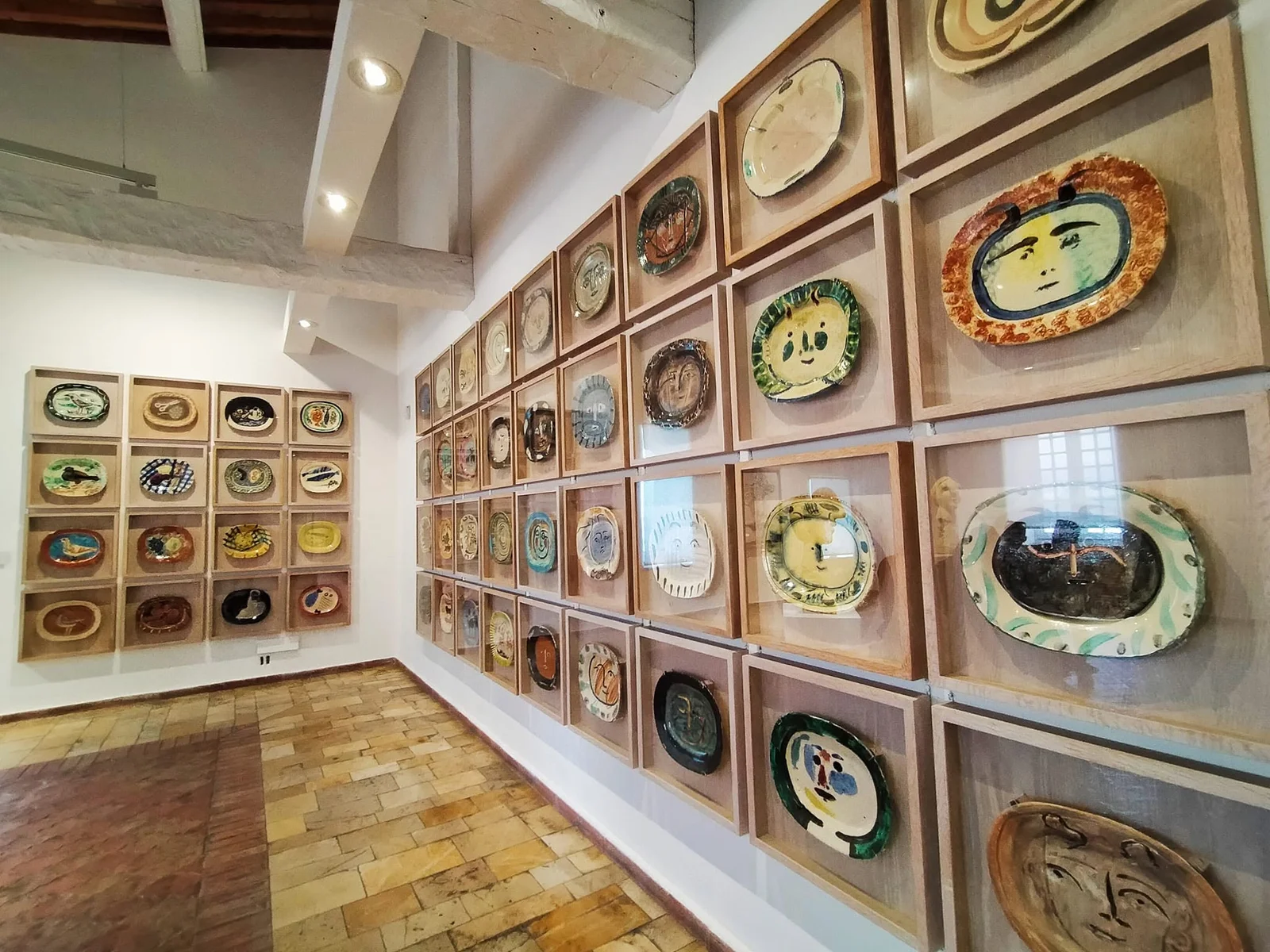
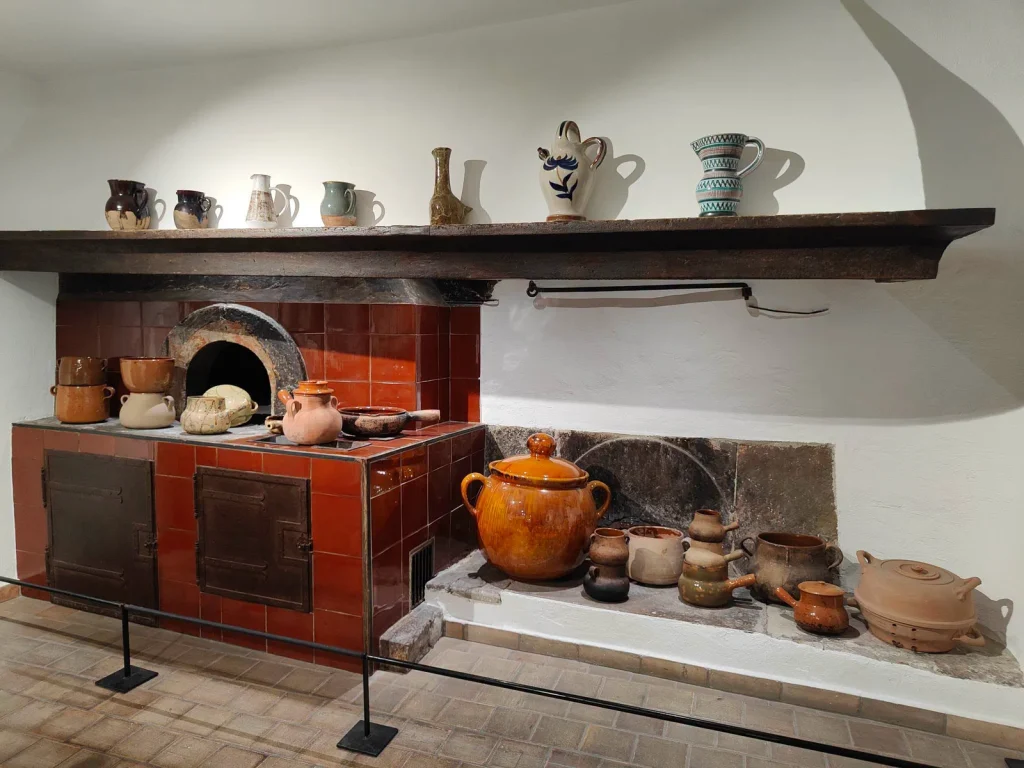
Ever since the day he first picked up a paintbrush at the age of 8, this son of a painting professor has never stopped evolving in his art and experimenting with different artistic fields. In the visual arts, aside from painting, Pablo Picasso excelled at everything he tried his hand at, including drawing, engraving and printmaking, sculpture, collage, papier collé, and even tapestry. Vallauris was a revelation for him, sparking his love for ceramics. It was indeed in this town of potters, where he settled in 1948, that he discovered his talent as a ceramicist and established his studio in his Vallauris home: La Galloise. Since then, he has continually honed his craft in this art form by creating, shaping, molding, and firing, which allowed him to achieve a high level of technical mastery. It was during a pottery exhibition that he made the encounter that would change the course of his time there: his meeting with Suzanne and Georges Ramié of the Madoura factory, who introduced him to working with glaze and enabled him to produce thousands of ceramic pieces (vases, plates, sculptures, dishes), adorned with mythological figures or owls—which became the artist’s signature. Today, some of these works are on display at the Magnelli Museum in the priory of the Abbots of Lérins. In fact, Picasso breathed new life into this art form, which today is the hallmark of Vallauris; whereas it was once purely a utilitarian activity, it has now become a distinct Vallauris art form in its own right. Other artists, such as Chagall and Pignon, even took it up, making the 1950s the village’s golden age.
Practical information – Musée Magnelli and Musée national Picasso “La Guerre et la Paix”
- Address: Place de la Libération, 06220 Vallauris. The former priory houses three museums: the Musée National Picasso “La Guerre et la Paix”, the Musée Magnelli and the Musée de la Céramique.
- Opening hours: closed on Tuesdays throughout 2026. Outside the summer season, from mid-September to late June, the museums open from 10 am to 12:15 pm and from 2 pm to 5 pm. Summer hours are longer.
- Good to know: La Galloise, Picasso’s former home, is a private residence and cannot be visited.
The Artist’s Final Years in Cannes and Mougins
Pablo Picasso no longer wanted to leave the south of France and decided to settle there permanently in 1955, after the death of his first wife Olga, in the Villa La Californie perched on the hills of Cannes. Unfortunately, he did not find happiness there and left after three years, even though he painted a multitude of portraits and landscapes inspired by the sea and the lush vegetation, as seen from a window. His presence in Cannes was, moreover, greatly appreciated by the local artistic community, which often invited him to exhibitions and other gatherings of art lovers. In 1958, he moved to the area around Aix-en-Provence, at the foot of Mount Sainte-Victoire, to the Château de Vauvenargues. This move did not last long either, as in 1961 he decided once again to relocate, settling in Notre-Dame-de-Vie, a Provençal farmhouse in Mougins, a secluded spot in the hills. This time, he found his place of solace, living there for twelve years until his death in 1973 at the age of 91. It is often said that Mougins was his safest refuge, where he spent his final years alongside Jacqueline Roque, in peace and quiet, far from the noise of the crowds and the limelight. He devoted his final years to his career, which culminated in phenomenal success, as he worked intensely on his most revolutionary works there.
Practical information – Cannes, Vauvenargues and Mougins
- Villa La Californie (Cannes): a private residence, not open to visitors.
- Château de Vauvenargues (13126 Vauvenargues): the château is not open to visits. Picasso is buried in the château’s park.
- Chapelle Notre-Dame-de-Vie (501-869 Chemin de la Chapelle, 06250 Mougins): the former hermitage houses a museum space and a collection of photographs of Picasso taken at Notre-Dame-de-Vie by his friend Lucien Clergue.
- Musée de la Photographie André Villers (Porte Sarrazine, 67 rue de l’Église, 06250 Mougins): the collection shows spontaneous scenes of Picasso’s creative environment captured by the photographer André Villers.
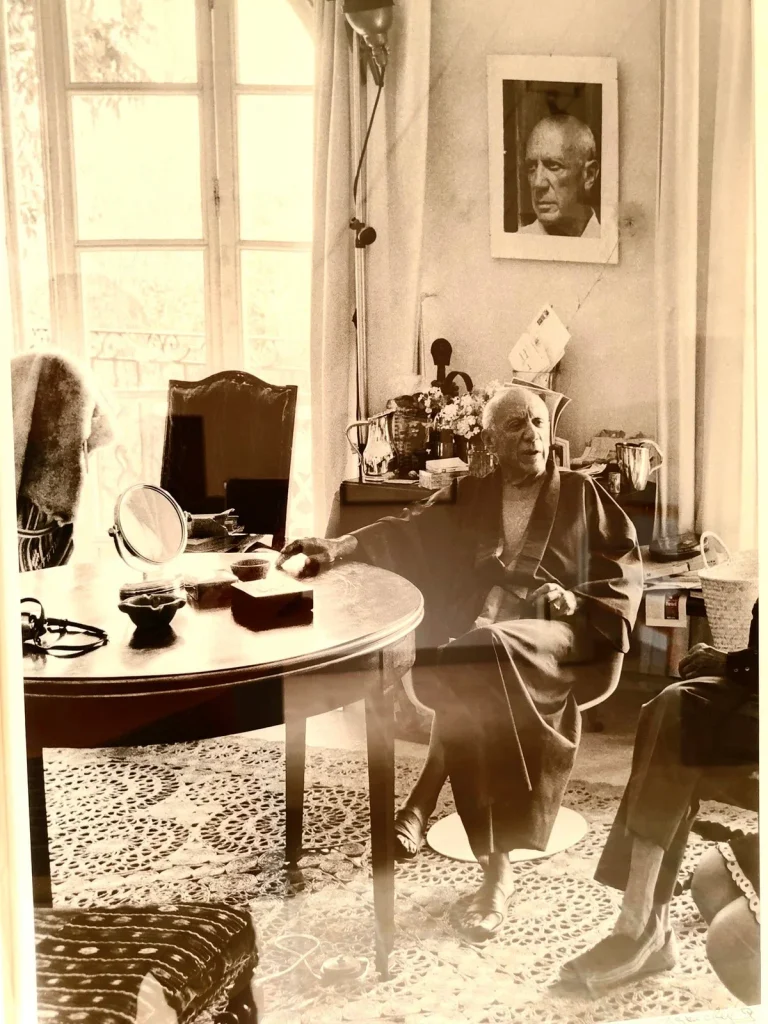
Historic and Cultural Sites Honoring Picasso
For art lovers, and especially those who appreciate Picasso, the French Riviera is the ideal destination to follow Picasso in the south of France while enjoying a paradise-like landscape. Start by visiting the Picasso Museum in the Château Grimaldi in Antibes, where he first exhibited his works in the region and which is now considered one of the most important museums chronicling his career. Continue on to Vallauris, where the château-museum provides access to two iconic sites: the Chapel of War and Peace and the Magnelli Museum, before admiring the famous statue L’Homme au mouton on Place Paul Isnard, a full-length sculpture by Picasso that he donated to the city in 1949 as a token of gratitude to its residents. The Madoura Gallery, Picasso’s former ceramics studio, is also open to visitors. Finally, discover a more intimate side of the artist’s daily life in Mougins at the André Villers Museum of Photography, where you can see photos of the painter taken by his photographer friend.
With French Riviera Tours, you can set out to discover Picasso in the south of France through our private excursions with a driver-guide aboard our luxury vehicles from EDEN CAB.